
Cotton is one of the world’s most valuable cash crops, contributing significantly to textile supply and agricultural economies. As demand for high-quality fiber continues to rise, farmers are seeking efficient ways to improve yields while maintaining soil health. Among all agronomic practices, the correct application of cotton fertilizer plays a crucial role in supporting vigorous growth, boll formation, and final lint output.
This article explains how fertilizers influence cotton performance, the essential nutrients required, and science-based strategies to help growers achieve stable, high yields.
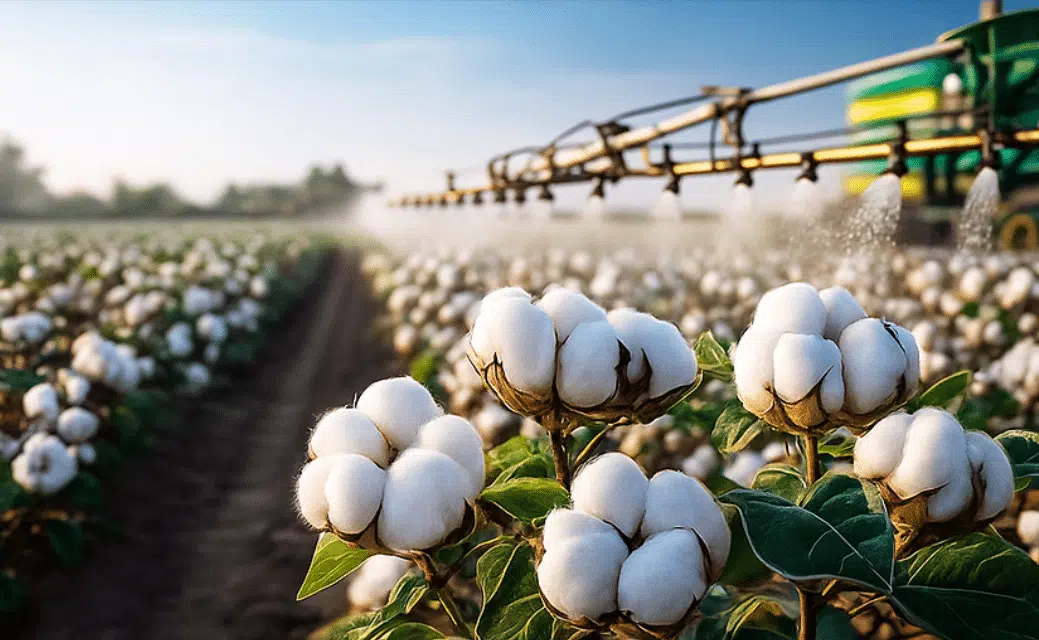
Why Fertilizer Matters for Cotton Yield Improvement
Cotton has unique nutrient demands due to its long growth cycle and high biomass production. From seedling establishment to boll development, sufficient nutrition ensures:
- Strong root growth for better nutrient absorption
- Balanced vegetative and reproductive growth
- Reduced risk of premature fruit shedding
- Higher boll retention and better fiber quality
- Greater resistance to environmental stress
Because cotton is grown extensively in regions with varied soil fertility levels, a targeted cotton fertilizer plan is essential for maintaining productivity.
Key Nutrients Required for Cotton Growth
1. Nitrogen (N): Promotes Vegetative Growth
Nitrogen is fundamental for leaf formation and overall vigor. However, over-application encourages excessive vegetative growth, delays maturity, and reduces boll setting.
A controlled and stage-based nitrogen supply improves lint yield and fiber quality.
2. Phosphorus (P): Supports Roots, Early Development, and Boll Formation
Phosphorus is vital for:
- Rapid root establishment
- Early-season vigor
- Energy transfer during flowering
Adequate phosphorus helps the crop reach reproductive stages faster and with stronger yield potential.
3. Potassium (K): Enhances Fiber Quality and Stress Resistance
Potassium is known as the “quality nutrient” in cotton because it improves:
- Fiber strength and length
- Boll weight
- Water-use efficiency
- Disease resistance
A potassium deficiency often leads to leaf scorching and poor lint formation.
4. Calcium, Magnesium, Sulfur (Secondary Nutrients)
These nutrients help maintain plant structure, facilitate photosynthesis, and support protein formation.
5. Micronutrients: Boron, Zinc, Iron
- Boron is especially critical for boll retention and pollination.
- Zinc promotes enzyme activity and growth regulation.
- Iron prevents chlorosis and ensures strong leaf development.
Balanced nutrition is key; even small shortages of micronutrients can cause significant drops in yield.
How to Use Cotton Fertilizer to Improve Yield
1. Conduct Soil Testing Before Fertilizer Application
A soil test identifies nutrient deficiencies, organic matter levels, and pH conditions. This helps farmers determine an accurate fertilizer program rather than relying on guesswork.
2. Apply Nitrogen in Split Doses
To prevent nitrogen loss and avoid excessive vegetative growth:
- Apply 30–40% at planting
- Apply 30% at early squaring
- Apply 30% at flowering
Split nitrogen application supports strong boll development and better lint yield.
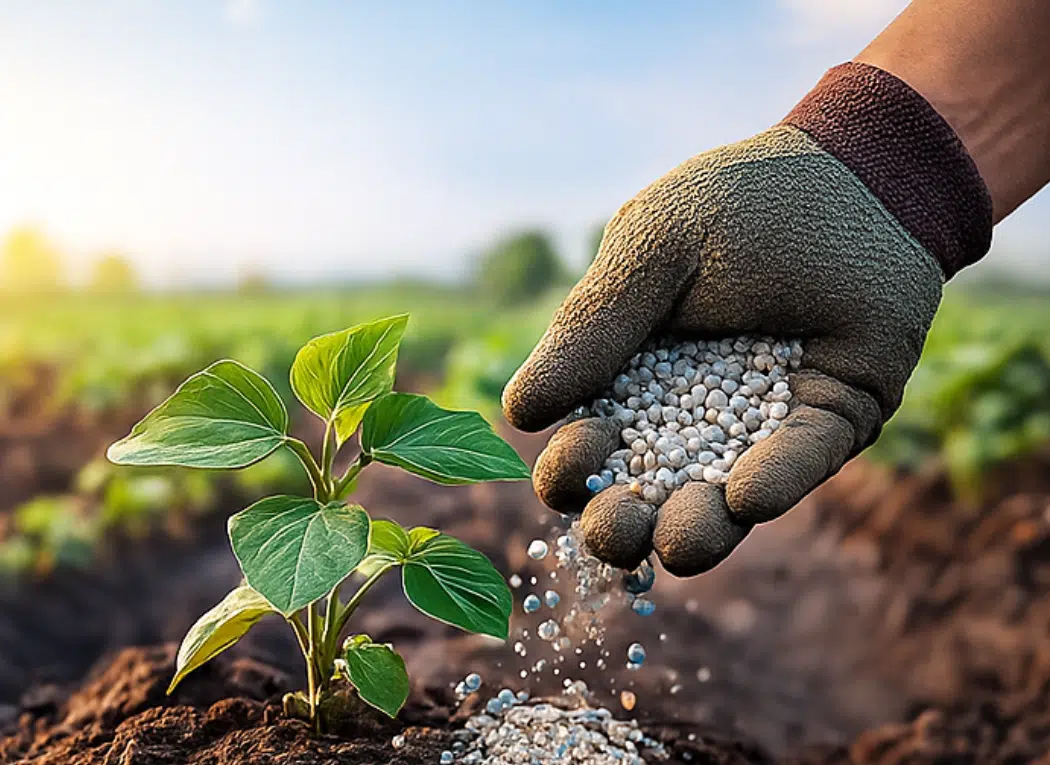
3. Ensure Early Phosphorus Placement
Phosphorus is most effective when placed near the seed at planting. This enhances seedling vigor and sets the stage for high yield potential.
4. Increase Potassium Supply During Boll Setting
Cotton’s potassium demand peaks during the boll-filling stage. Applying potassium through basal fertilization and top dressing ensures continuous supply for fiber formation.
5. Use Specialty Cotton Fertilizers
Specialty formulas—such as balanced NPK blends, slow-release fertilizers, or stage-specific products—help maintain nutrient availability throughout the growing cycle.
(For example, companies like MASL Biotech offer customized cotton fertilizers designed for early stage, balanced stage, and late stage crop needs.)
6. Foliar Feeding for Micronutrient Correction
Foliar sprays are effective for quickly correcting deficiencies of boron, zinc, and iron.
- Apply boron during early flowering
- Apply zinc during vegetative growth
- Apply iron during early leaf development
Foliar feeding supports boll retention and prevents quality loss.
7. Adopt Fertigation and Water-Soluble Fertilizers
In irrigated cotton systems, fertigation ensures precise delivery of nutrients directly to the root zone. Water-soluble cotton fertilizers increase efficiency and reduce waste.
Best Fertilizer Practices for Maximum Cotton Yield
- Maintain soil pH between 6.0 and 7.0 for optimal nutrient uptake
- Combine organic matter with mineral fertilizers to improve soil structure
- Avoid excessive nitrogen to reduce risk of lodging and boll shedding
- Ensure adequate potassium for strong fiber quality
- Use balanced, crop-stage solutions for early, middle, and late phases
- Monitor plant leaf color and growth indicators to adjust fertilization on time
Following scientific nutrient management improves both yield and fiber characteristics, ultimately benefiting farmers with higher market value.
Conclusion
Cotton yield improvement relies heavily on proper nutrient management. By understanding cotton’s nutritional needs and applying targeted cotton fertilizer strategies—such as soil testing, split nitrogen use, potassium supplementation, and micronutrient correction—farmers can significantly increase productivity while maintaining crop health and fiber quality.
With the growing adoption of professional specialty fertilizers from reliable manufacturers such as MASL Biotech, cotton growers can implement more efficient nutrient programs tailored to each growth stage. This results in stable yields, improved quality, and enhanced profitability.


