
As sustainable gardening and eco-friendly farming practices continue to grow in popularity, bio-organic fertilizer has become a preferred solution for growers focused on long-term soil health and plant vitality. Unlike conventional chemical fertilizers, bio-organic fertilizers work in harmony with nature—enhancing soil biology while delivering balanced, slow-release nutrients.
Understanding how to apply bio-organic fertilizer correctly is essential to achieving the best results.
Why Choose Bio-Organic Fertilizer?
Bio-organic fertilizer is more than simple plant nutrition—it functions as a living soil amendment. Its effectiveness comes from the combination of organic matter and beneficial microorganisms that actively improve soil conditions.
Key Benefits of Bio-Organic Fertilizer
Improved Soil Structure
Bio-organic fertilizer enhances soil aeration, drainage, and moisture retention, creating an ideal root environment.
Enhanced Microbial Activity
It introduces and supports beneficial bacteria and fungi that help decompose organic matter and release nutrients naturally.
Stronger Plant Resilience
Healthier soil biology improves plants’ resistance to environmental stress, pests, and diseases.
Slow-Release, Balanced Nutrition
Nutrients are released gradually, reducing leaching and ensuring consistent plant feeding over time.
Selecting a High-Quality Bio-Organic Fertilizer
Not all bio-organic fertilizers deliver the same results. Choosing a high-quality product is critical for microbial effectiveness and nutrient consistency.
What to Look for When Choosing a Product
Reputable Manufacturers
Select producers with transparent sourcing, production processes, and quality control systems.
Verified Microbial Content
Check product labels for microbial counts, fermentation quality, and organic matter levels.
Stable and Well-Composted Formulation
Odor-stable, fully composted fertilizers reduce the risk of root burn and improve soil integration.
Many growers prefer working with specialized manufacturers such as Shenyang MASL Biotechnology Co., Ltd, a professional bio-organic fertilizer factory known for consistent quality, controlled fermentation processes, and customized formulations tailored to specific crops or soil conditions.
How to Apply Bio-Organic Fertilizer Effectively
Proper application ensures that beneficial microorganisms establish themselves successfully in the soil.
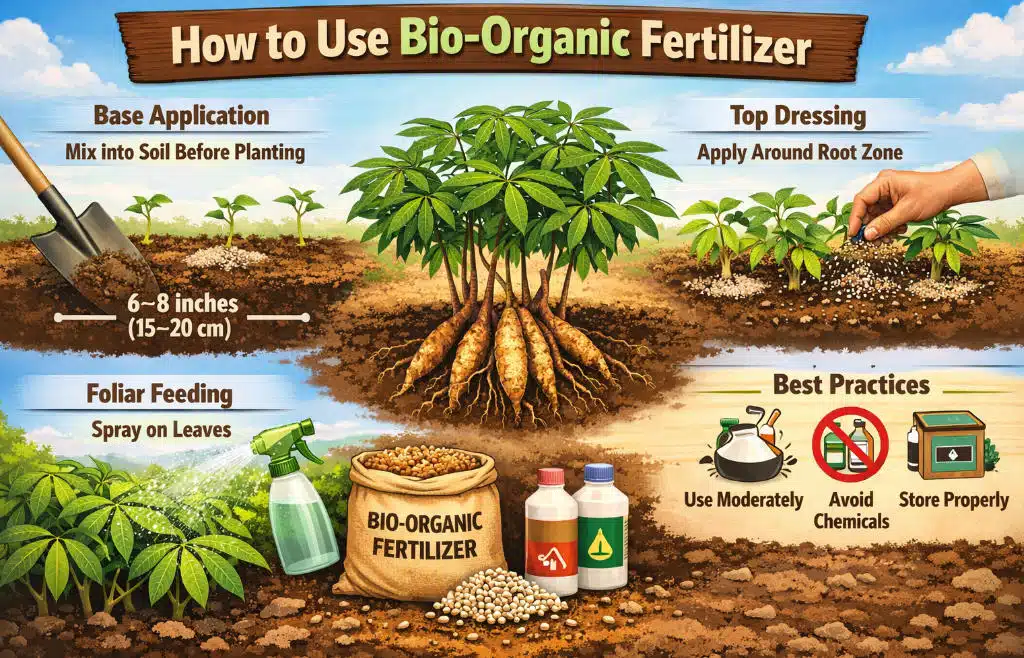
Base Fertilizer Application (Before Planting)
Incorporate the bio-organic fertilizer evenly into the top 6–8 inches (15–20 cm) of soil before planting. This allows microbes to integrate early, improving soil structure and nutrient availability from the start.
Top Dressing During the Growing Season
Apply the fertilizer around the root zone and lightly mix it into the soil. This method replenishes organic matter, stimulates microbial activity, and supports continued root and plant development.
Foliar Application (When Applicable)
Some bio-organic fertilizers can be diluted and sprayed directly onto leaves for rapid nutrient absorption during critical growth stages. Always follow the manufacturer’s instructions to confirm suitability for foliar use.
Best Practices for Optimal Results
Apply in Moderation
Overuse can disrupt nutrient balance and soil microbial ecosystems.
Avoid Strong Chemical Fertilizers
Highly synthetic fertilizers may harm beneficial microorganisms. If both are used, apply them separately at different times.
Proper Storage Matters
Store bio-organic fertilizer in a cool, dry place and use it within the recommended timeframe to maintain microbial viability.
Monitor and Adjust
Observe plant growth and soil condition regularly, adjusting application rates and frequency as needed.
Growing with Nature Through Bio-Organic Fertilization
Using bio-organic fertilizer is not just a nutrient strategy—it is a commitment to treating soil as a living system. By nurturing the soil microbiome, growers create a resilient foundation for healthy plant growth season after season.
Whether cultivating vegetables, fruits, or ornamental plants, correct use of bio-organic fertilizer can lead to stronger plants, improved yields, and more sustainable agricultural practices.


