
The color ripening stage is one of the most important periods in vegetable and fruit production. At this point, the crop is no longer focusing mainly on vegetative growth. Instead, it begins shifting energy toward fruit quality, color formation, sugar accumulation, texture, and shelf life.
For growers, this stage often decides whether the final harvest will be ordinary or premium.
A lot of people still think the job of fertilizer ends after flowering or fruit set. That is a mistake. In reality, nutrient management during the fruit coloring stage has a direct impact on fruit appearance, dry matter accumulation, brix level, firmness, and postharvest quality. In crops like tomatoes, peppers, grapes, berries, apples, strawberries, and many other fruits and vegetables, poor feeding at this stage can lead to uneven color, weak skin, soft fruit, or delayed ripening.
That is why a targeted color ripening fertilizer for vegetables and fruits can make a real difference.
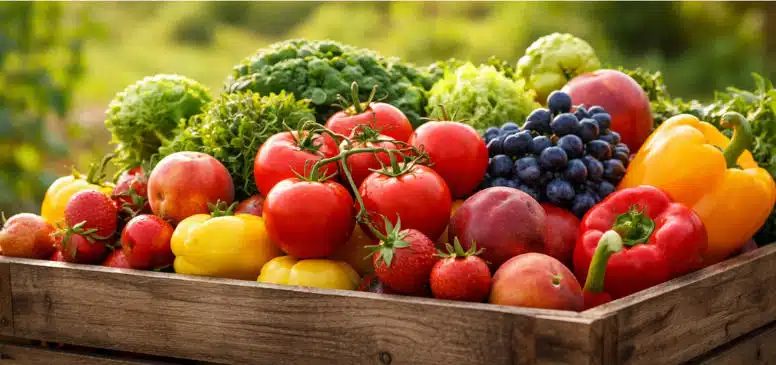
Why the color ripening stage matters
During the color change stage, the plant begins redirecting photosynthetic assimilates into the fruit. This means the crop is using the products of photosynthesis more efficiently for the final quality of the harvest.
At the same time, several biochemical processes are happening inside the fruit:
- chlorophyll breaks down
- anthocyanins and flavonoids accumulate
- sugars concentrate
- dry matter increases
- cell structure changes
- skin color becomes more uniform
If nutrition is not well managed, this process can become uneven. The result may be poor coloration, low sweetness, dull skin, uneven ripening, or reduced storage and transport quality.
This is also the stage when crop stress becomes more visible. Heat, strong light, water imbalance, and mineral deficiency can all affect fruit finishing. That is why the best fertilizer for fruit color development is not just about feeding the plant. It is about supporting the entire ripening process.
What crops need during fruit color change
At this stage, crops generally need less excessive vegetative push and more support for quality formation. The key is balance.
A good nutrient strategy should help the plant:
- maintain active photosynthesis
- strengthen stems and leaves
- improve carbon assimilation efficiency
- promote sugar transport into fruits
- support pigment formation
- reduce stress damage
- improve firmness and skin quality
This is where a specialty fertilizer for vegetable and fruit crops can be more effective than a generic fertilizer program.
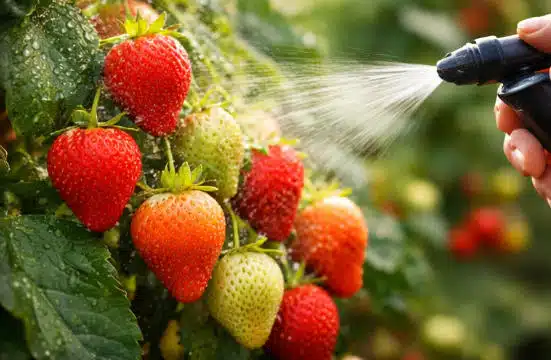
A technical look at VegMax Color
VegMax Color Vegetable & Fruit Color Ripening Specialty Fertilizer is specifically developed for the color ripening stage of vegetable and fruit crops.
Its formulation is designed around three technical goals:
better photosynthesis, better color formation, and better final fruit quality.
1. Highly active L-α free amino acids
The product uses highly active L-α free amino acids to support metabolic activity during the ripening phase. Amino acids are not just building blocks. They also help the plant respond more efficiently to environmental pressure and maintain active physiological function.
A stronger metabolic state supports:
- better carbon assimilation
- stronger stems
- deeper green leaves
- more efficient movement of assimilates into fruit
For growers searching for how to fertilize crops during fruit color change, this type of amino acid support is one of the most practical tools.
2. Multi-dimensional chelated mineral elements
Chelated minerals improve nutrient availability and uptake efficiency. During color ripening, the plant still needs a stable mineral supply to keep photosynthesis running and to support fruit finishing.
These elements help maintain:
- balanced nutrition
- healthy leaf function
- improved enzymatic activity
- better fruit development quality
This matters because a fruit with weak nutrient support often colors unevenly and ages poorly.
3. Phycocyanin as a natural light signal enhancer
One of the most interesting parts of this formula is the inclusion of Phycocyanin, which acts as a natural light signal enhancing component.
In practical terms, this helps the crop respond more effectively to the signals that trigger pigment pathway expression. That means better activation of the anthocyanin-flavonoid metabolic pathway, which is closely related to natural fruit color development.
This is especially valuable for growers looking for:
- natural and uniform fruit color change
- improved glossy skin
- vibrant appearance
- better marketable fruit quality
What benefits growers can expect
A well-managed color ripening program is not only about appearance. It affects the whole commercial value of the crop.
With the right nutritional strategy, growers can support:
Improved color development
The fruit changes color more evenly and more naturally. This is important for premium fresh market sales.
Higher brix accumulation
As assimilates are redirected into the fruit more efficiently, sugar accumulation improves. Higher brix often means better taste and stronger consumer acceptance.
Better dry matter yield
The crop gains more usable solid matter inside the fruit, which helps improve both internal quality and processing value.
Firmer fruit with better storage and transport quality
Stronger cell membrane stability and antioxidant support can help reduce soft fruit, sunscald, and coloring disorders.
Better fruit appearance
Uniform color, smooth skin, and glossy surface all improve commercial value.
For many growers, this is the difference between bulk-grade harvest and high-value harvest.
How to use fertilizer during the color ripening stage
The exact program depends on crop type, climate, soil condition, irrigation method, and local farming practices. Still, there are some general principles that apply to most vegetable and fruit crops.
Use targeted nutrition, not heavy vegetative feeding
At this stage, too much nitrogen can delay ripening, reduce color quality, and keep the crop too green for too long. The goal is not to push more leafy growth. The goal is to move the crop toward finishing.
Support photosynthesis
Healthy leaves still matter. The fruit can only fill properly if the plant continues to capture light and produce assimilates. That is why nutrient support should protect leaf function rather than weaken it.
Focus on fruit quality, not just yield
A crop that looks large but colors poorly is not ideal. A better strategy is to improve both yield and quality together.
Apply at the right time in the ripening cycle
Color ripening fertilizers are most effective when used at the right stage, before the fruit quality starts declining. Late intervention is less effective than early quality support.
Common mistakes during the color ripening stage
Many yield and quality problems come from simple nutrient mistakes.
Overusing nitrogen
Too much nitrogen often causes delayed ripening, softer texture, lower color intensity, and weaker fruit finish.
Ignoring stress control
Heat stress, sunscald, and dehydration can damage fruit appearance even when nutrient supply is good.
Focusing only on size
Large fruit with poor color and low sweetness is hard to sell at a premium.
Using generic fertilizers for a specific ripening stage
The crop’s needs change over time. A formula designed for vegetative growth is not always suitable for fruit color change.
Why this stage needs a specialty fertilizer
A specialty fertilizer for fruit coloring is valuable because it matches the real biology of the crop at this moment.
Instead of forcing more growth, it helps guide the plant toward:
- better carbon transport
- stronger pigment development
- higher sweetness
- improved fruit finish
- better resistance to stress
That is the reason products like VegMax Color are useful in modern fruit and vegetable production systems, especially when growers want consistent commercial quality.
Who this product is suitable for
VegMax Color is suitable for growers looking for a fertilizer for anthocyanin and flavonoid accumulation, improved fruit color, and better quality control during ripening.
It is especially relevant for production systems that care about:
- high brix fruit fertilization strategy
- premium fresh market appearance
- uniform ripening
- reduced sunscald and soft fruit
- better harvest quality and shelf life
Final thoughts
The color ripening stage is not a simple finishing period. It is a quality-building stage.
If nutrition is handled correctly, the crop can move through this phase with stronger color, better sweetness, firmer texture, and improved market value. If nutrition is ignored, the harvest may still be large, but the fruit quality will fall short.
For growers who want a more precise approach to fruit finishing, VegMax Color Vegetable & Fruit Color Ripening Specialty Fertilizer provides a technical solution built around amino acid activity, chelated mineral support, and natural pigment pathway activation. For MSAL, this is not just about selling a fertilizer. It is about helping growers produce better-looking, better-tasting, and better-performing crops.
FAQ
What is the best fertilizer for fruit color development?
The best fertilizer for fruit color development is one that supports photosynthesis, sugar accumulation, pigment formation, and stress resistance during the ripening stage.
How do you fertilize crops during fruit color change?
Use a targeted color ripening fertilizer, reduce excessive nitrogen, and support the crop with balanced nutrition that promotes color, sweetness, and firmness.
Why do fruits color unevenly?
Uneven color can be caused by poor nutrition, stress, insufficient light response, temperature fluctuation, or weak assimilate transport into the fruit.
Can fertilizer improve brix?
Yes. A proper fertilization strategy during ripening can help increase dry matter and sugar accumulation, which may improve brix levels.
