
Fruit sweetness is one of the most important factors influencing consumer preference and market value. Whether it is tomatoes, strawberries, grapes, citrus, or melons, fruits with higher sugar content are more flavorful, attractive, and commercially competitive.
However, achieving consistent fruit sweetness is not always easy. Environmental conditions, soil fertility, and plant nutrition all influence the accumulation of sugars in fruits. That is why many professional growers rely on Sweetening Fertilizer to improve fruit quality and increase Brix levels.
In this comprehensive guide, we will explain how fertilizers help increase sugar content in fruits, which nutrients are essential for sweetness, and how MASL Sweetening Fertilizer can support growers in producing sweeter and higher-value crops.
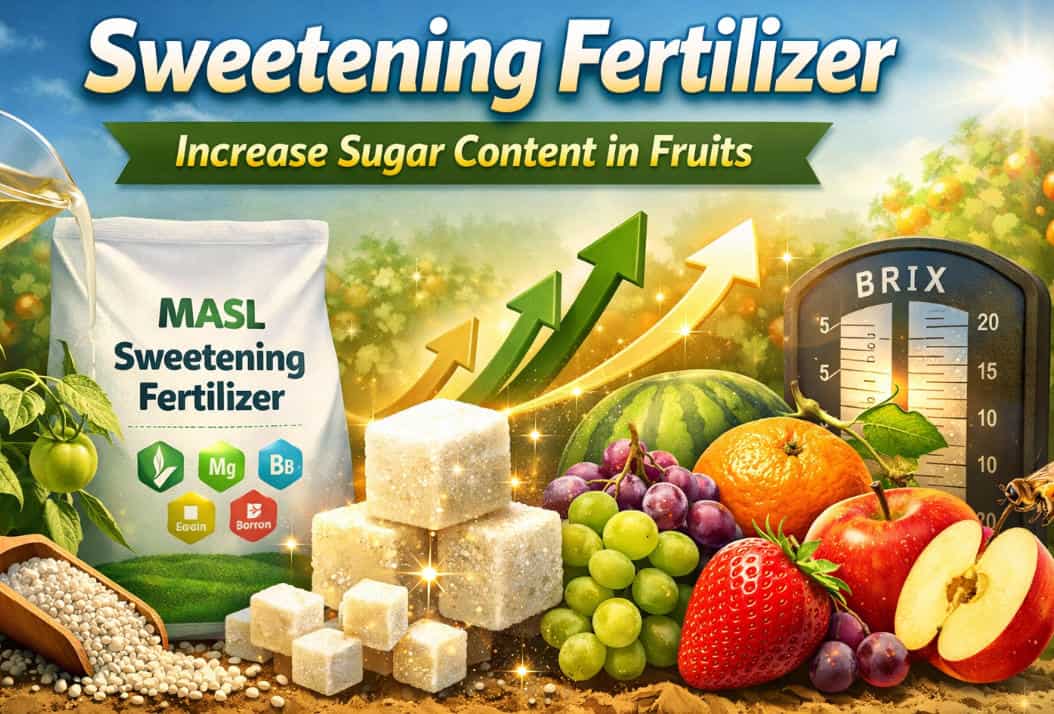
What Is Sweetening Fertilizer?
A Sweetening Fertilizer is a specialized agricultural fertilizer formulated to promote sugar synthesis, transport, and accumulation in fruits. Unlike general fertilizers that focus mainly on vegetative growth, sweetening fertilizers are designed specifically to enhance fruit quality and sweetness during the fruit development stage.
A high-quality fertilizer to increase sugar content in fruits typically contains a combination of key nutrients and bioactive ingredients, including:
- Potassium (K) for sugar transport and storage
- Magnesium (Mg) for improved photosynthesis
- Boron (B) to enhance carbohydrate metabolism
- Amino acids to stimulate plant physiological activity
- Trace elements that support enzyme reactions involved in sugar formation
These nutrients work together to improve the plant’s ability to produce carbohydrates through photosynthesis and transport them into developing fruits, resulting in sweeter produce.
Why Sugar Content Is Important in Fruit Production
Sugar content is a key indicator of fruit quality. It directly influences taste, aroma, and overall consumer satisfaction.
Farmers and agricultural producers often measure sweetness using Brix levels, which represent the concentration of soluble sugars in fruit juice. Fruits with higher Brix values are generally perceived as sweeter and more desirable.
Improving sugar content provides several important benefits:
Better Flavor and Taste
Sweet fruits have a more balanced flavor profile, which increases consumer demand and repeat purchases.
Higher Market Prices
Premium fruits with higher sweetness levels often command higher prices in wholesale and retail markets.
Improved Fruit Color and Aroma
Sugar accumulation is closely related to pigment formation and aroma compounds, improving the overall quality of the fruit.
Increased Export Competitiveness
For international markets, sweetness and flavor are critical factors that determine product acceptance.
Because of these advantages, growers increasingly look for fertilizers that increase fruit sugar content naturally and efficiently.
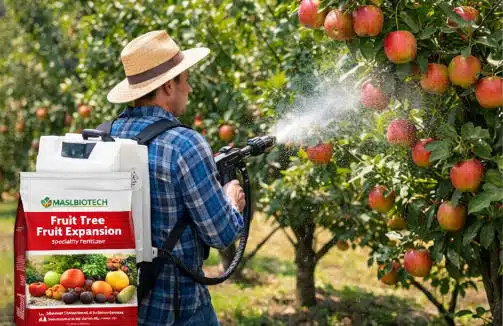
How Fertilizers Help Increase Sugar Content in Fruits
The process of sugar accumulation in fruits is influenced by plant metabolism, nutrient availability, and environmental conditions. Applying the right fertilizer can significantly improve the plant’s ability to produce and store sugars.
1. Improving Photosynthesis Efficiency
Photosynthesis is the process through which plants produce carbohydrates. Nutrients such as magnesium and micronutrients help maintain healthy chlorophyll levels and improve the plant’s photosynthetic capacity.
When photosynthesis is more efficient, plants produce more carbohydrates that can later be converted into sugars within fruits.
2. Enhancing Sugar Transport
Potassium plays a crucial role in transporting sugars from leaves to fruits. Adequate potassium nutrition helps plants move carbohydrates through the phloem into fruit tissues where they accumulate.
Without sufficient potassium, sugar transport becomes less efficient, which may result in lower Brix levels and weaker fruit flavor.
3. Supporting Fruit Development
During the fruit expansion and ripening stages, plants require balanced nutrition to support cell growth and sugar accumulation.
A well-formulated fruit sweetness enhancer fertilizer ensures that fruits develop properly while maintaining high sugar levels.
4. Promoting Enzyme Activity
Sugar formation in plants is regulated by enzymes that control carbohydrate metabolism. Trace elements such as boron and zinc support these enzymatic processes, improving the conversion of carbohydrates into soluble sugars.
Key Nutrients That Increase Fruit Sweetness
Understanding which nutrients influence sweetness can help growers select the most effective fertilizers.
Potassium – The Most Important Nutrient for Sweetness
Potassium is widely considered the most critical nutrient for fruit sweetness. It regulates carbohydrate synthesis, sugar transport, and fruit development.
High potassium availability helps:
- Increase sugar transport to fruits
- Improve fruit firmness and color
- Enhance flavor and sweetness
For many fruit crops, increasing potassium supply during fruit development significantly improves sweetness.
Magnesium – The Engine of Photosynthesis
Magnesium is the central component of chlorophyll and plays a key role in photosynthesis.
Adequate magnesium helps plants produce more carbohydrates, which later become sugars stored in fruits.
Boron – Supporting Sugar Metabolism
Boron is involved in carbohydrate transport and cell wall development. It helps plants move sugars efficiently and supports fruit growth.
Amino Acids – Stimulating Plant Metabolism
Amino acids enhance plant metabolism and stress resistance. They also improve nutrient absorption and help plants convert nutrients into sugars more efficiently.
MASL Sweetening Fertilizer: A Professional Solution for Sweeter Fruits
To help growers achieve higher fruit sweetness and quality, MASL has developed a specialized Sweetening Fertilizer designed for fruit crops and vegetables.
This advanced fertilizer formulation focuses on improving sugar accumulation, enhancing flavor, and increasing fruit quality during critical growth stages.
Key Features of MASL Sweetening Fertilizer
Promotes Sugar Accumulation
MASL Sweetening Fertilizer supports carbohydrate metabolism and helps fruits accumulate higher sugar levels.
Enhances Fruit Flavor
By improving nutrient balance and sugar concentration, fruits develop a richer and more appealing taste.
Improves Fruit Appearance
The fertilizer supports pigment development and improves fruit color and uniformity.
Boosts Crop Value
Sweeter fruits often achieve better prices in both local and export markets.
Suitable for Various Crops
MASL Sweetening Fertilizer can be used for a wide range of crops, including:
- Tomatoes
- Strawberries
- Grapes
- Citrus fruits
- Watermelons
- Peppers
- Apples
- Mangoes
Best Time to Apply Fertilizer to Increase Fruit Sugar Content
Applying a fertilizer to increase sugar content in fruits at the right stage is essential for achieving the best results.
Fruit Expansion Stage
During this stage, fruits grow rapidly and require large amounts of nutrients. Applying sweetening fertilizer helps support sugar transport and fruit development.
Early Ripening Stage
This is the most critical period for sugar accumulation. Nutrients applied at this stage directly influence sweetness and Brix levels.
Pre-Harvest Stage
Applying sweetening fertilizer before harvest helps improve flavor, color, and overall fruit quality.
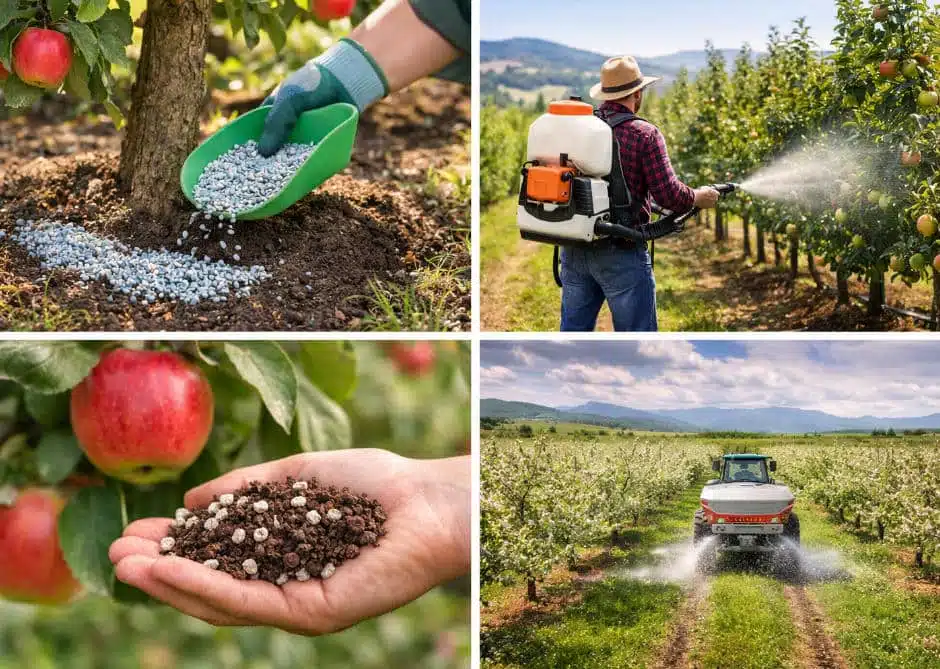
Depending on the crop and cultivation method, fertilizers can be applied through:
- Foliar spraying
- Drip irrigation systems
- Soil fertilization
Crops That Benefit Most from Sweetening Fertilizer
Many fruit and vegetable crops benefit from fertilizers designed to improve sweetness.
Common applications include:
Tomatoes
Tomatoes with higher sugar content have better flavor and higher consumer preference.
Strawberries
Sweetness is one of the most important factors determining strawberry quality.
Grapes
Higher sugar levels improve both fresh consumption quality and wine production.
Citrus Fruits
Sweetness balances acidity and enhances citrus flavor.
Melons and Watermelons
Consumers prefer melons with high Brix levels and strong sweetness.
Using fruit sweetness enhancer fertilizer can significantly improve quality in these crops.
Additional Agronomic Practices to Increase Fruit Sweetness
Besides using Sweetening Fertilizer, several cultivation practices can help increase sugar accumulation.
Optimize Light Exposure
Sunlight directly affects photosynthesis and carbohydrate production. Proper pruning and plant spacing improve light penetration.
Manage Irrigation Carefully
Excessive irrigation during ripening may dilute sugar concentration in fruits. Controlled irrigation helps maintain sweetness.
Avoid Excessive Nitrogen
Too much nitrogen during fruit development may promote vegetative growth instead of sugar accumulation.
Maintain Healthy Soil
Balanced soil nutrition supports plant metabolism and ensures efficient nutrient absorption.
Combining these practices with high-quality fertilizers such as MASL Sweetening Fertilizer can significantly improve fruit sweetness.
Why Choose MASL Fertilizers
MASL focuses on developing advanced agricultural fertilizers designed to improve crop yield and quality.
Our products are formulated based on modern plant nutrition science and practical agricultural experience.
Advantages of MASL
- Advanced fertilizer formulations
- Strict quality control standards
- High nutrient efficiency
- Suitable for modern agriculture systems
- Professional agronomic support
By providing reliable crop nutrition solutions, MASL helps growers achieve better productivity, improved fruit quality, and higher economic returns.
Fruit sweetness plays a crucial role in agricultural production and market competitiveness. Growers who focus on improving flavor and sugar content can achieve better prices and stronger consumer demand.
Using a specialized Sweetening Fertilizer is one of the most effective ways to increase sugar accumulation and enhance fruit quality.
Through balanced nutrition, improved sugar transport, and optimized plant metabolism, MASL Sweetening Fertilizer provides an efficient solution for increasing fruit sweetness and Brix levels.
For farmers seeking a reliable fertilizer to increase sugar content in fruits, MASL offers a professional solution that supports healthier crops, better flavor, and higher market value.
