
Cotton is a resilient crop, but its early-stage growth can be delicate. One of the most common issues that cotton growers face is yellowing leaves in the early stage. Understanding why this happens is crucial for preventing yield loss and ensuring a healthy, productive crop.
Common Causes of Yellow Leaves in Early-Stage Cotton
1. Nutrient Deficiencies
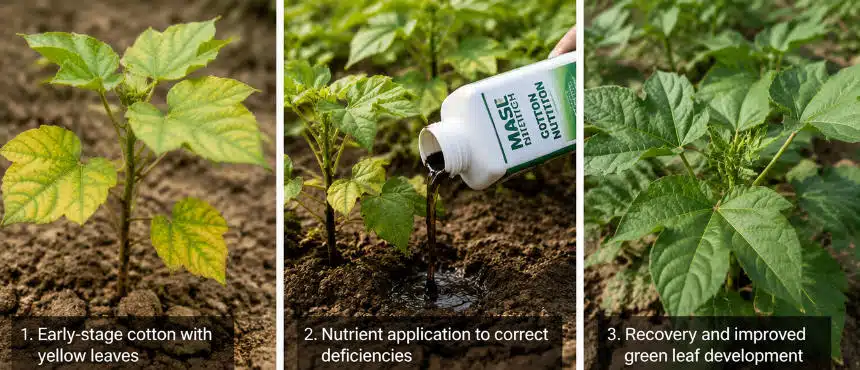
A primary reason for yellow leaves in young cotton plants is nutrient deficiency. Cotton plants require a balanced supply of nitrogen, magnesium, zinc, and other essential nutrients. Deficiencies often show distinct patterns:
- Nitrogen deficiency: Leaves turn uniformly yellow starting from the older leaves. Growth may slow down.
- Magnesium deficiency: Yellowing appears between leaf veins, often leaving veins green.
- Zinc deficiency: Leaves may curl and show interveinal yellowing, typically in the newest leaves.
Recognizing these cotton nutrient deficiency symptoms early allows timely intervention.
2. Improper Soil pH and Poor Soil Conditions
Soil that is too acidic or alkaline can prevent nutrient uptake, leading to yellow leaves. Heavy, compacted soils or poor drainage can also stress seedlings and trigger early yellowing.
3. Water Stress
Both overwatering and drought stress can lead to chlorosis (yellowing of leaves). Cotton seedlings are particularly sensitive to inconsistent moisture during early growth stages.
4. Pests and Diseases
Early-stage yellowing can sometimes indicate pest infestations such as aphids, thrips, or fungal infections. Close inspection of leaves for spots, curling, or pests is essential.
How to Fix Yellow Leaves in Early-Stage Cotton
1. Balanced Fertilization
Applying a cotton early-stage fertilizer rich in nitrogen, magnesium, and micronutrients can correct nutrient deficiencies. Foliar feeding is often effective for quick absorption of essential nutrients.
2. Soil Testing and Adjustment
Regular soil testing helps identify nutrient gaps and pH imbalances. Adjusting soil pH to a range of 6.0–7.0 ensures optimal nutrient availability.
3. Proper Water Management
Maintain consistent soil moisture without waterlogging. Drip irrigation or carefully timed watering can prevent both drought stress and overwatering.
4. Integrated Pest Management
Monitor young cotton plants for pests and early disease signs. Natural predators, biopesticides, and proper field hygiene can reduce pest pressure without harming beneficial insects.
Preventive Measures for Healthy Cotton Growth
- Use high-quality seeds and certified fertilizers tailored for early-stage cotton.
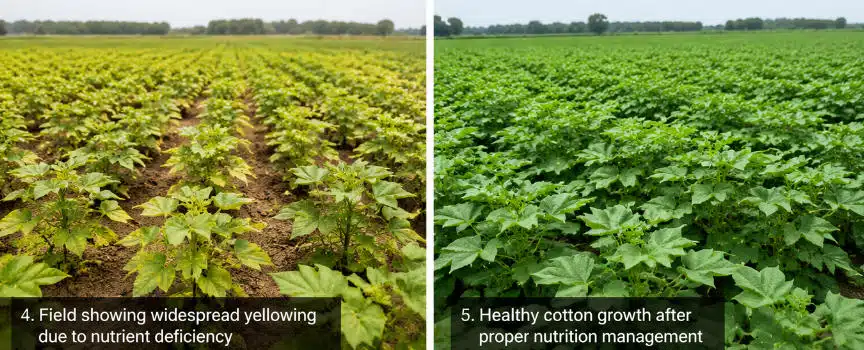
- Apply foliar sprays when nutrient deficiencies are first detected to promote rapid recovery.
- Rotate crops and manage soil fertility to prevent recurring nutrient depletion.
- Monitor environmental factors, including temperature and rainfall, which influence nutrient uptake.
Conclusion
Yellowing leaves in early-stage cotton are often a signal of underlying nutrient deficiencies or environmental stress. By recognizing cotton nutrient deficiency symptoms and implementing timely corrective measures, growers can ensure strong, healthy cotton plants and maximize yields.
For comprehensive guidance on fertilizing cotton at the early stage, including recommended products and dosages, visit our core page: Cotton Early Stage Fertilizer (2026).
